Theatre Seminar "Before the Curtain Rises" - Exploring the Theatre from Behind the Scenes - Vol.1 Report
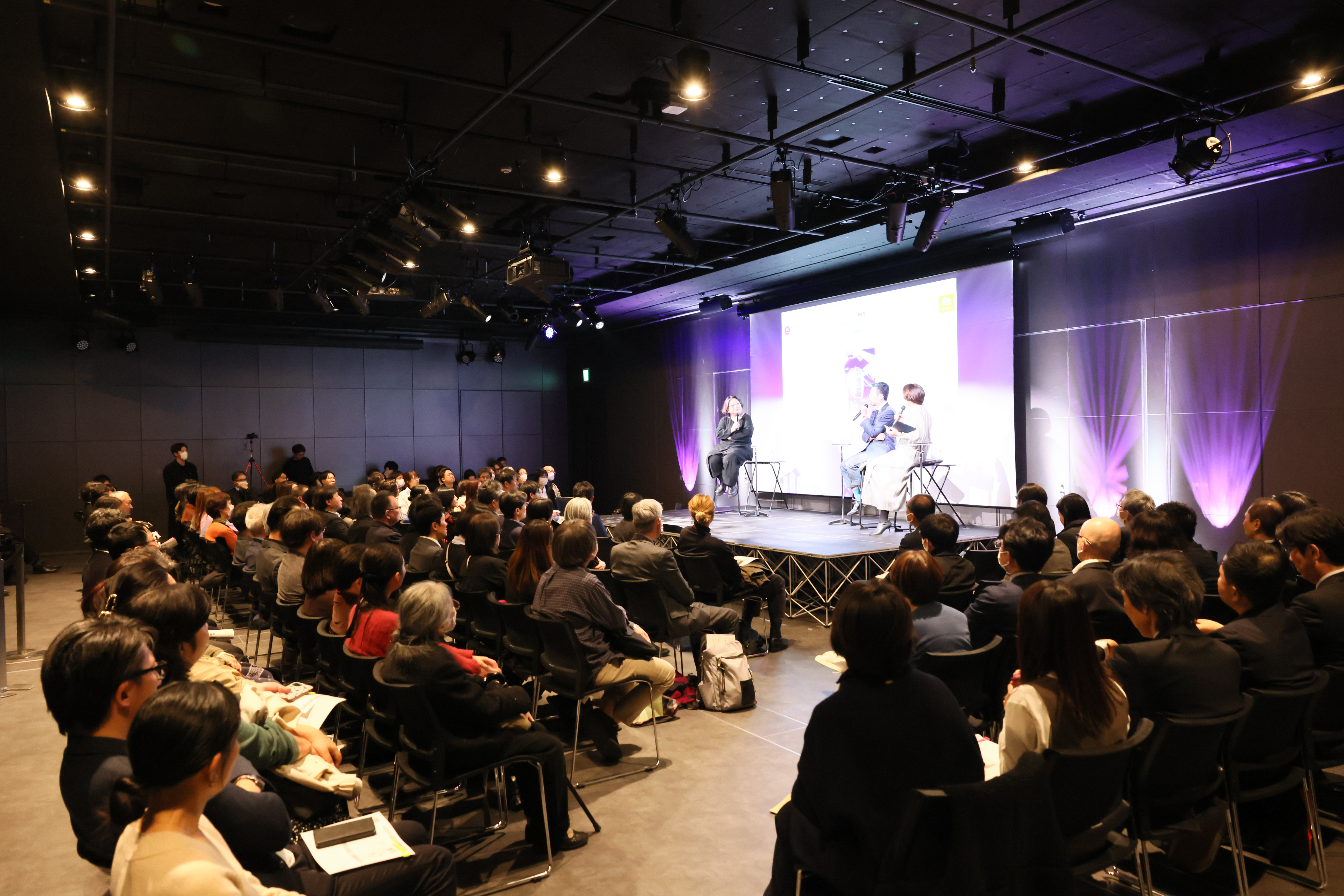
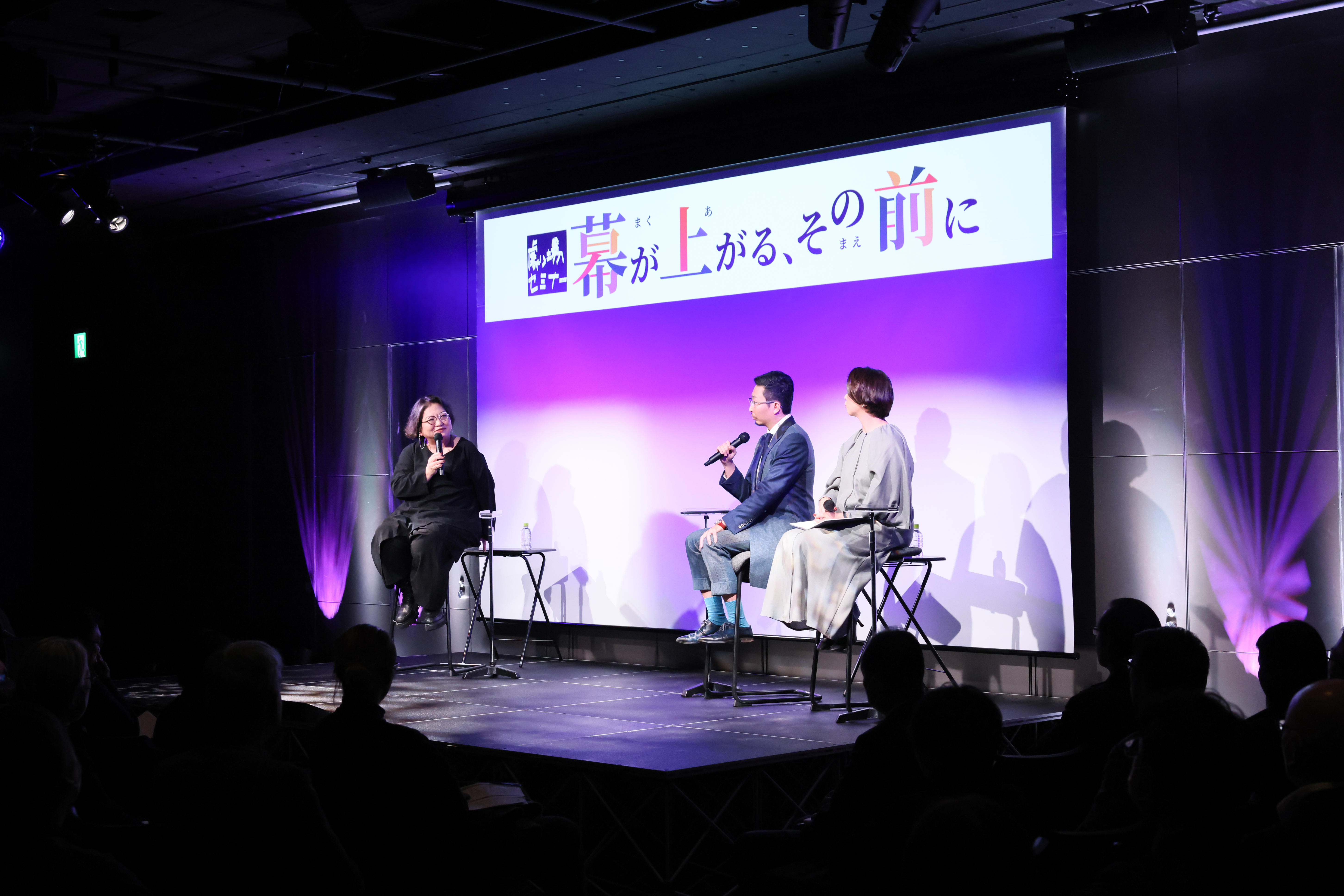
Theatre Workshop's P.O. Minamiaoyama Hall was the venue for this evening's seminar, which brought together people who are familiar with the theater and those who want to learn more about it.
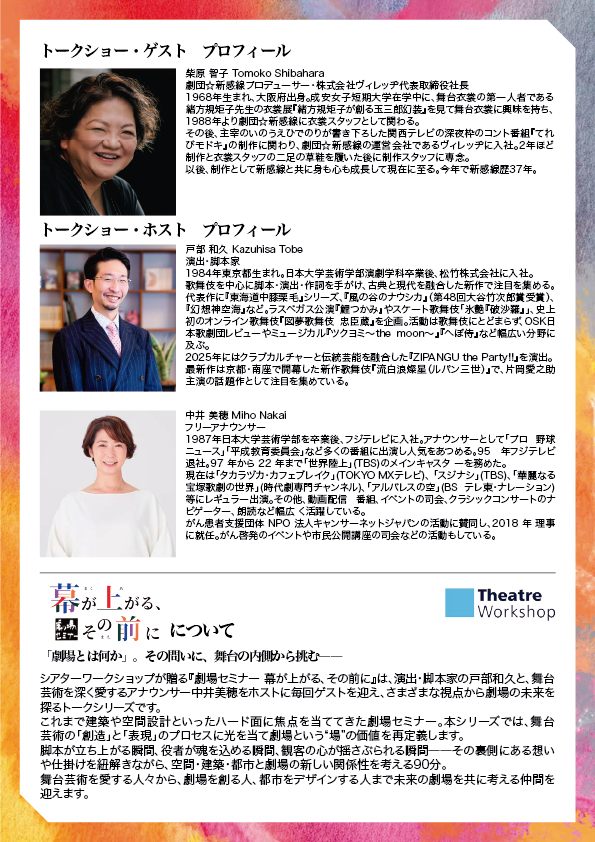
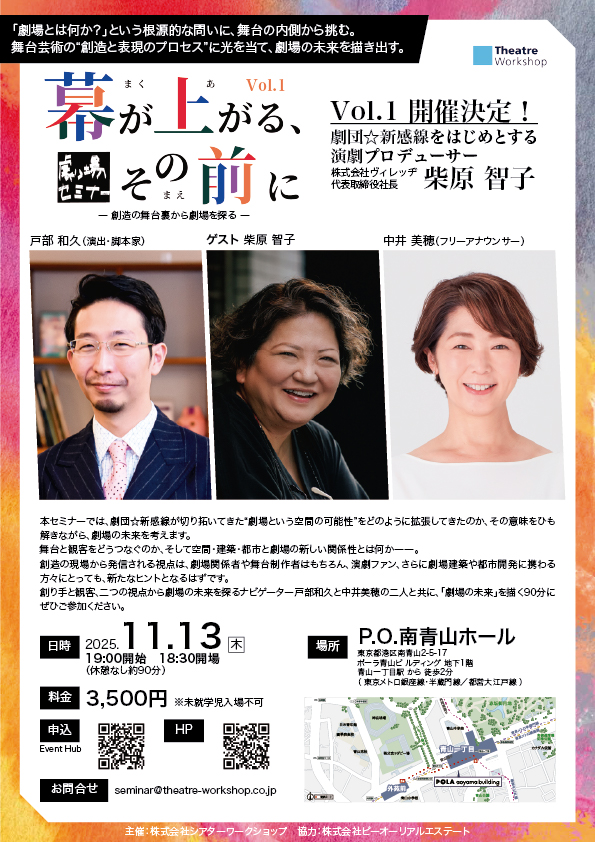
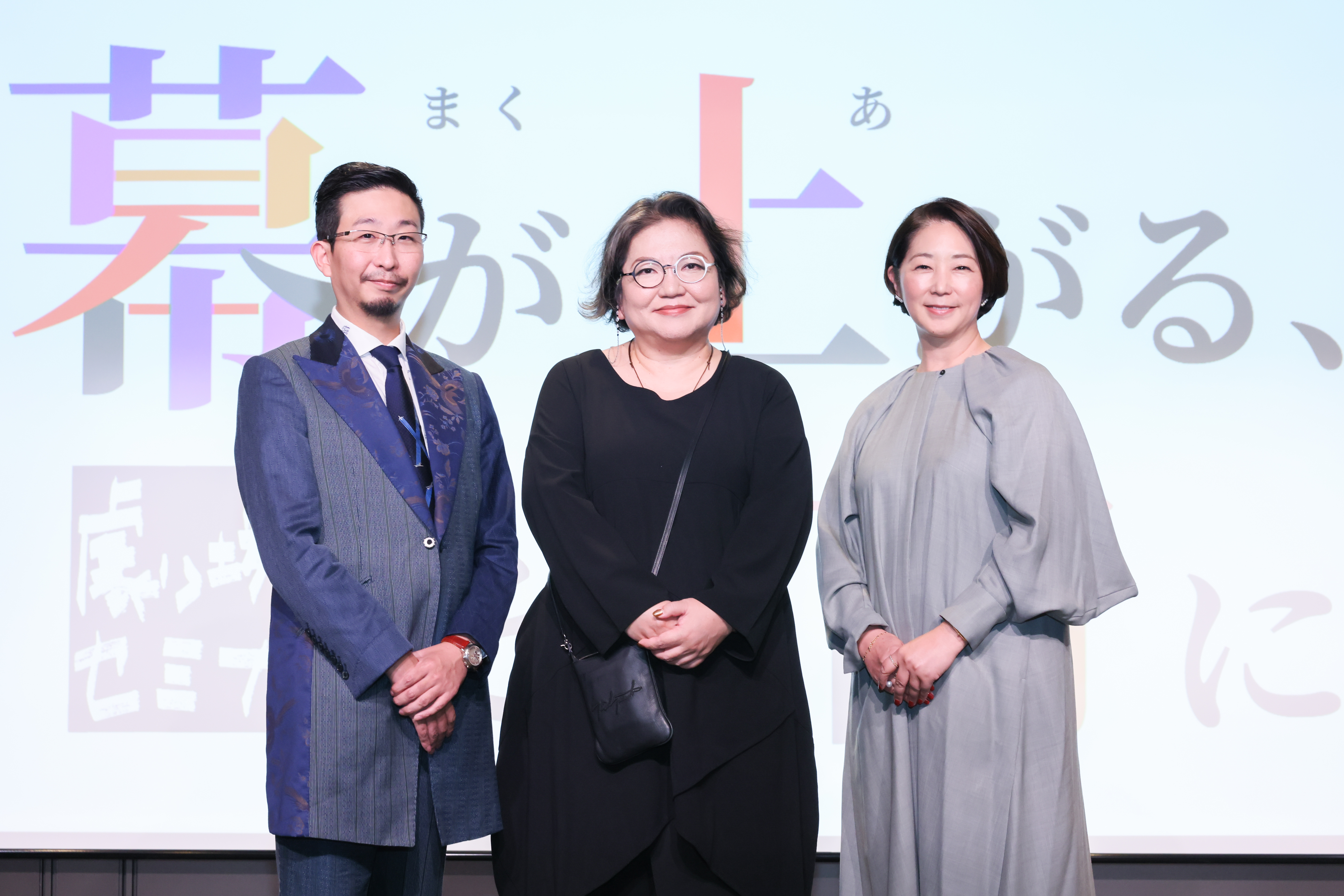
Kazuhisa Tobe, the host of this talk show, presented his own perspective as a " theatre user " and Miho Nakai presented hers as an"audience member. The theatre seminar "Before the Curtain Rises" was opened with the words, "I would like to make this a place where we can delve into the theater from various perspectives.
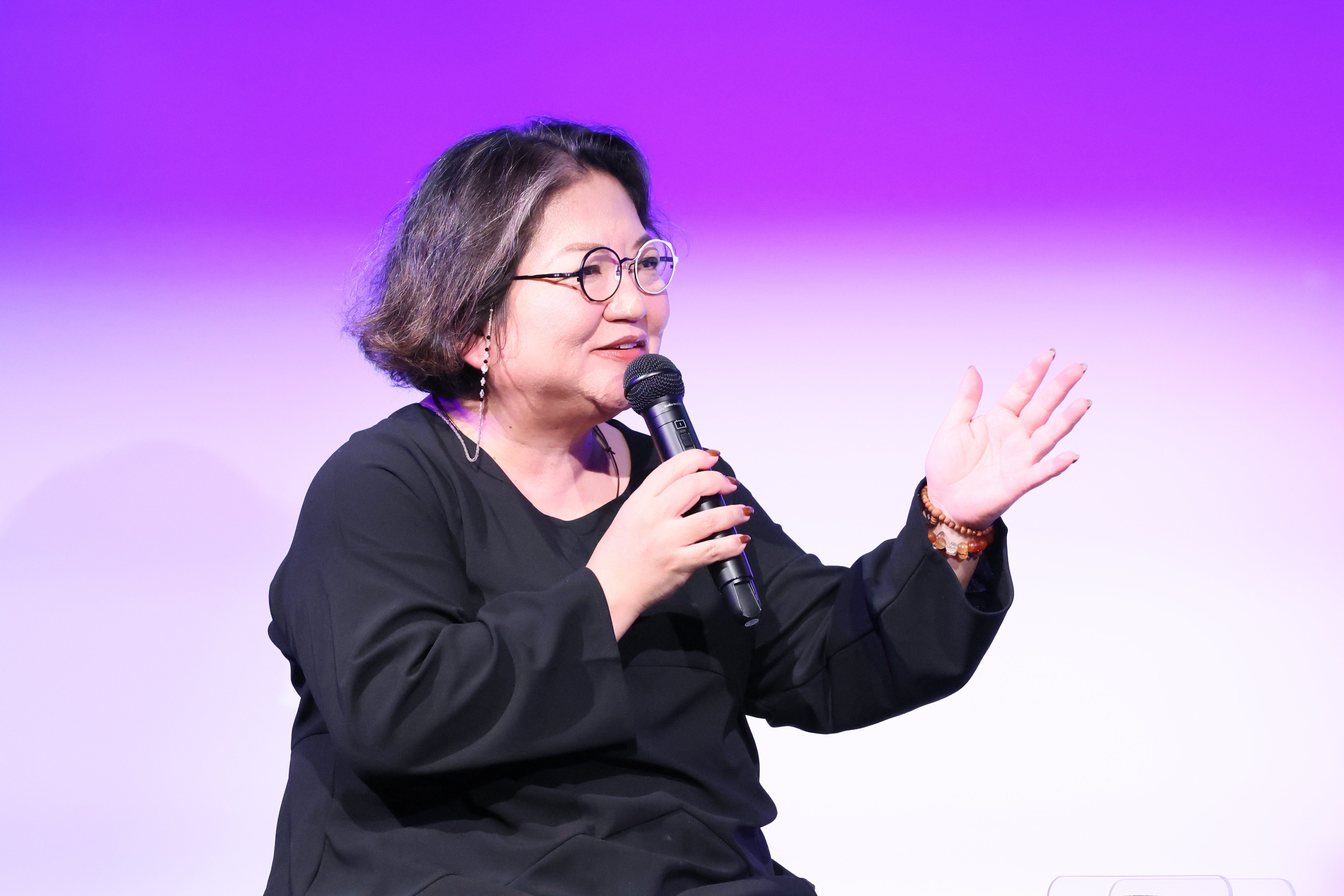
The guest for the memorable Vol. 01 was Tomoko Shibahara, President of VIREDGE Inc. and producer of Gekidan Shinkansen. Tobe relaxed the atmosphere by saying, "Let's talk about things you don't usually hear about, just like talking over drinks," and the talk began.
Shibahara started her career as a costume staff member of the Gekidan Shinkansen . While breathing the air of the theatre company's rehearsal hall, which used to be located in Ogimachi Museum Square, he learned that costumes are "not just clothes you wear, but something you move and perform in a play," and his experience of working closely with the company members eventually led to his overall ability as a"stage producer. He also explained how his experience of working closely with theater troupe members led him to become a "stage producer.
The Gekidan Shinkansen celebrated its 45th anniversary this year. When asked whether the change in scale from small theaters to large theatres has led to any changes in plays and projects, the core of what the company leader, Hidenori Inoue, wants to show remains unchanged. ), Shibahara recalled that "what we do is the same" even though the theatres where the productions are staged have changed.
On the other hand, the reality of the performance site is raw: theaters for large-scale productions are usually reserved several years in advance, and the principal cast is usually conceived early on. For a large company with as many as 105 lunch boxes, how to create the "backstage living space, " including the aburaku and the dressing room lounge, affects the morale of the company as well as the atmosphere of the performance.
The talk about the production site was lively, and the company talked about the difference in the nature of the audience between Osaka and Tokyo, and how they chose the Fuji City Cultural Hall Rose Theatre for "Shinshu Muyori-gai" ( 2022 ) because they wanted a theatre where they could see "Mount Fuji," the mountain that appears in the play. The topic of discussion expanded into a wide range of topics with specific examples, such as the choice of a venue that links "theatre and scenery," and a story about a theatre equipped with a hanamichi (flower path) for performances.
Specific topics related to the design of theatres were also discussed. Tobe talked about the current Kabuki-za backstage rooms, and how the " dimensions of the 'noren' (brick) decorated at the entrance of each dressing room had to be changed to accommodate the " requests of the actors, " such as the width of corridors and room sizes that would allow them to pass each other in costumes for the production of "Kanjincho. The theater , which will be created in the future, will be designed from a variety of angles. This highlighted the importance of how theatres created in the future must incorporate requests from various angles into something that can withstand day-to-day operations.
The question from the audience, "Which is better, a theatre with a proscenium arch (a frame-like structure that separates the stage from the audience) or without?" was answered by a member of the audience. The question was asked by an audience member, "Isn't it more important to have the flexibility to change the frontage and height of the proscenium rather than to haveit or not? The speaker asked the question to those who design theatres, "Which is better?
Asked about his favorite theater in Japan, Shibahara answered, "The ideal theater can't be summed up in one word, but I would say a theatre with the stage on the same level and dressing rooms on the same floor. As an example, the "Matsumoto Civic Art Center" was highly evaluated from the viewpoint of "livability and operability" as a theatre with a stage and dressing rooms on the same floor, as well as a lounge.
One of the most pressing issues in recent years has been the shortage of rehearsal space. Gekidan Shinkansen's ideal is to have "a large rehearsal space, a waiting area for actors, and a props production room (for company members in charge of props) in close proximity. Even if a theatre can be secured, the situation where rehearsals cannot be held is becoming more and more real, and the development of a rehearsal infrastructure in Tokyo is an important issue that needs to be resolved immediately.
Gekidan Shinkansen's future "ambition" is to go overseas. We want to bring our productions to audiences around the world as the number of visitors to Japan increases," he said. We are aware of the long running time, which is one of the strengths of the theatre company, but we want to provide an experience that surpasses it," says Shibahara. Geki x Cine," which allows the audience to experience the power of theater in a movie theatre, was well received at the Sitges International Film Festival in Spain, where local audiences laughed and commented through the subtitles. Shibahara revealed his next challenge : to go to the world with a "live stage.
The words Shibahara left at the end of the talk show were overflowing with his love for the theatre. The theatre is a " place of celebration" that offers an out-of-the-ordinary experience. It is important for the creators, the supporters, and the audience to work together to revitalize and sustain the place. There are many "theatre makers " in the audience today. How much can we please the audience and deliver an experience beyond the ordinary in a "theatre" that is made up of a variety of people? We want to continue to work together to nurture the theater as a place. Please lend us your help.
The audience quietly nodded their heads in agreement.
In closing, Nakai smiled and said, "I felt as relaxed as if we were talking over a cup of tea, and I was able to hear frankly about many things. What is a theater space? What is a theater space, and what are the plays and performances staged there ? Tobe also commented , "I have made new discoveries by asking about "theatre" from my current position. I hope to study it together with you all," he concluded.
The evening's diverse perspectives brought the curtain up on the series, and naturally, the anticipation for the next installment grew.
After "Before the Curtain Rises" Vol. 01
What kind of value can the theatre offer in the future in the midst of diversifying values in recent years?
The Theatre Workshop, as a total production company, can answer this question through the "Theatre Seminar.
In addition to the hardware-centered viewpoints of the past, we will also collect information on what is happening in the theatre and the voices of theatergoers, and envision the future with a focus on both hardware and software. With this in mind, we have launched a new series, "Before the Curtain Rises.
The memorable first session of the series was also a very enthusiastic one, as three theatre lovers gathered together. I would like to express my sincere gratitude to Tomoko Shibahara, who took time out of her busy schedule to speak with us, and hosts Kazuhisa Tobe and Miho Nakai, whose love of the theatre, from their own perspectives, has helped to solidify the core of this project. From here, let us think together about the future of the theatre.


.jpg)
.jpg)